Memo № 10
Product · 2026.09.10 · 3 min read
Seeing Expenses Before They Hit: Recurring Detection, Budgets and the Apple Pay Shortcut
How Lait finds your subscriptions and bills from transaction history, predicts what is due in the next 60 days, and shows a card payment the second you make it without counting it twice when the bank posts it.
A budget is only useful before the month happens. Three pieces make that possible in Lait: recurring detection, a rolling forecast, and instant capture of card payments.
Finding what recurs
Given a year of transactions, the engine groups them by normalised merchant (bank noise such as card numbers and "POS" prefixes removed), then looks for a cadence: monthly, weekly, quarterly, yearly, with tolerance for a few days of drift and a few percent of amount change. A group with enough occurrences at a stable cadence becomes a recurring item with a confidence score. Netflix at 12.99 on the 14th is easy; a phone bill that moves between 41 and 47 euros on the 2nd to the 5th is the interesting case, and the tolerance is set for it.
You can correct anything: change the cadence, mark something as not recurring, set an amount. A correction is remembered and the next expected date is recalculated from the last real charge, not from the old schedule.
The next 60 days
From the recurring list, Lait projects what is due in the next 30 and 60 days, in order, with the balance you will have after each one if nothing else happens. That is the view that answers "can I move 3,000 to the ETF this month" without a spreadsheet. A reminder the day before a large one is optional.
Budgets that recalculate themselves
A monthly budget per category starts from your own last months, not from a template. As the month runs, the remaining amount adjusts, and a streak counts consecutive months under budget. Hidden transactions (the ones you marked as noise or transfers) never count against a category.
The instant card payment
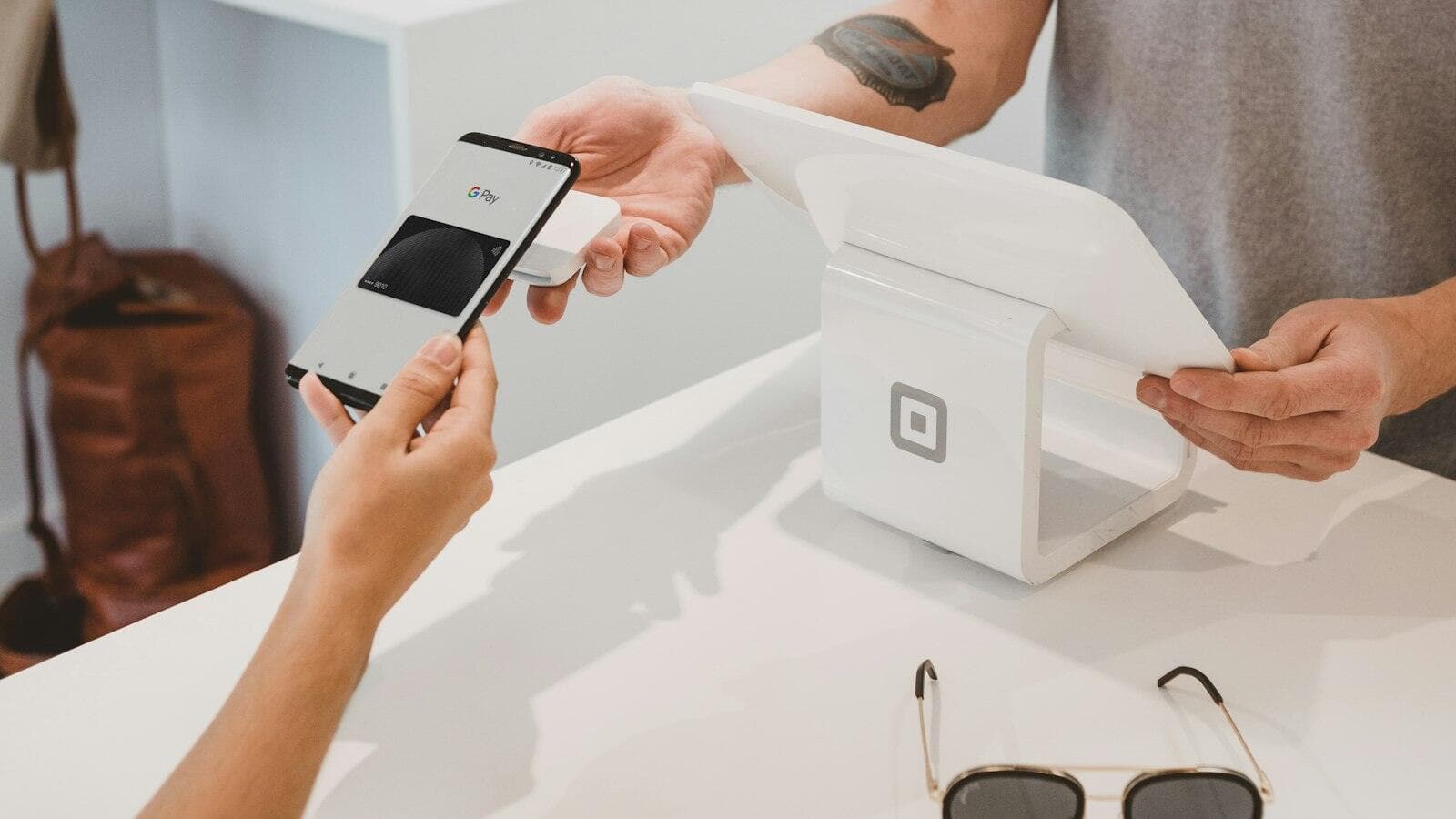
Bank transactions arrive a day or two after you pay. For a card payment you made ten seconds ago, Lait accepts a small Apple Shortcut: when Apple Pay fires, the Shortcut posts the merchant, amount and card to Lait with a personal token, and the payment appears at once, categorised, under the account that card belongs to.
Two days later the bank posts the same purchase. Lait matches it to the instant row (same sign, amount within a cent, dates within two days, a shared word in the merchant name) and hides the instant one, keeping the bank's row as the record and carrying over any category you corrected. You see the payment once, immediately, and once forever. A match that fails, because the bank added a tip or took five days, leaves a visible duplicate you can hide with a tap; a wrong match would silently eat a real purchase, so the rules err on the visible side.
What stays private
The Shortcut token is yours and revocable from settings; it can only append transactions to your own account. Merchant names go through the same categorisation as everything else, rules first and a model only for what rules cannot place, with identifiers stripped before anything is sent.
The point of all three pieces is the same: the month should be a thing you steer, not a thing you find out about on the first of the next one.
Try it
Lait puts your crypto, stocks, banks, property and debt on one screen, in EUR or USD. Request an invitation.
No card needed. Basic access is free. Built in Barcelona.